Miracle Berry in the Food & Beverage Industry: A Growing Commercial Frontier
Explore how the food and beverage industry is discovering miracle berry and miraculin as a compelling ingredient for taste innovation and new product development.
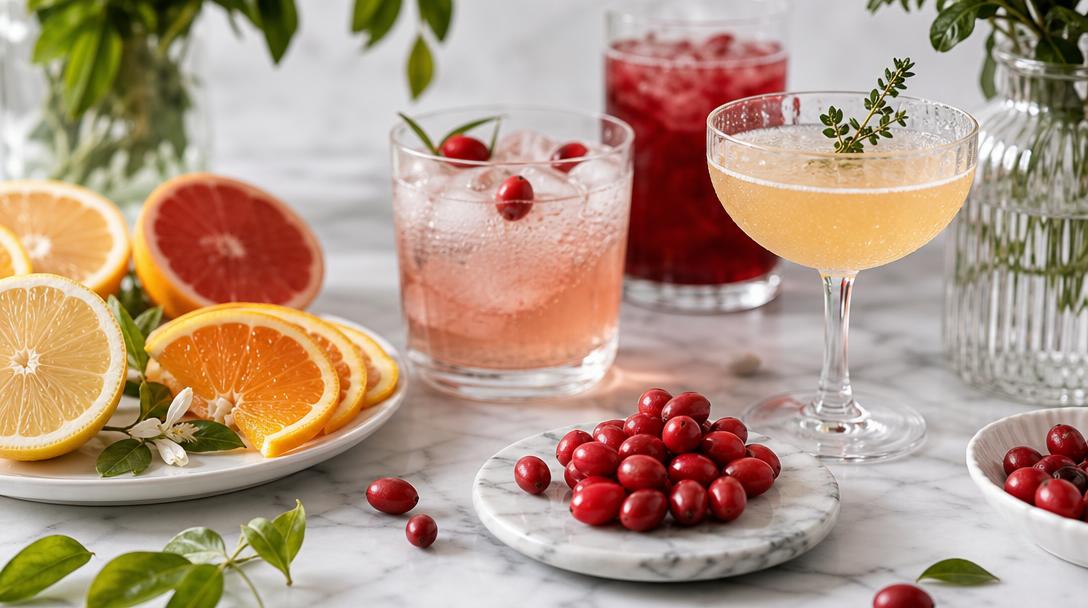
The food and beverage industry has always been driven by the search for the next remarkable ingredient — something that surprises consumers, solves a formulation challenge, or opens up an entirely new category. Miracle berry is quietly earning a place in that conversation. Derived from the West African fruit Synsepalum dulcificum, this small oval berry contains a glycoprotein called miraculin that temporarily alters taste perception, making sour and acidic foods taste sweet. That single property is generating genuine curiosity from product developers, beverage formulators, and culinary innovators around the world.
What Makes Miraculin Interesting as an Ingredient
Miraculin is unlike any other taste-modifying compound found in nature. It does not taste sweet on its own. Instead, it binds to sweet receptors on the tongue and activates them when it encounters an acidic environment — so the moment something sour touches the palate, those receptors fire as if sugar were present. The effect typically lasts between 15 and 60 minutes depending on the individual and the format consumed.
For food and beverage companies, that mechanism is genuinely intriguing. The industry has long been searching for ways to reduce added sugar without compromising the pleasurable sweetness consumers expect. Miraculin offers a pathway that does not rely on high-intensity synthetic sweeteners, sugar alcohols, or fiber-based bulking agents. It works by changing how the tongue reads acidity — which means formulators working with fruit-forward, fermented, or naturally tart products have a particularly compelling reason to pay attention.
Miraculin is available in ingredient form through formats like miracle berry powder and dried miracle berry, which can be incorporated into broader development and testing workflows. Miracle berry tablets have also become a familiar format for demonstrations and consumer-facing experiences.
Beverage Applications: Where the Interest Is Loudest
The beverage sector may be where miracle berry experimentation is currently most active. Drinks are inherently tied to flavor balance, and many of the fastest-growing beverage categories — kombucha, functional drinks, sparkling water, cold-brew coffee, hard seltzers, and low-alcohol options — are built around tart or acidic flavor profiles.
Kombucha is a particularly natural fit. The beverage is inherently acidic, and brands are continuously looking for ways to moderate sourness and improve approachability without loading products with added sugar. The concept of pairing miraculin with kombucha has come up in food-tech circles as a theoretically elegant solution: the acidity that defines the product is the same property that would activate the taste-modifying effect.
Functional beverages formulated around citrus, green tea, or fermented bases face similar challenges. Developers want clean-label products with minimal sweetener use, and miraculin potentially offers a way to let naturally tart ingredients shine without the need for heavy flavor masking.
Craft cocktail culture has also shown informal interest. Bars and restaurants have used miracle berry tablets in tasting experiences and flavor-pairing menus, and the crossover potential with the craft beverage industry is real — particularly as consumer enthusiasm for novel, experience-driven products continues to grow.
Food Product Development and Culinary Innovation
Beyond beverages, food manufacturers and culinary professionals have been exploring where miracle berry might fit into product development. Yogurt and dairy-based snacks, fruit preparations, dressings, and fermented foods all operate in that tart-sweet flavor space where miraculin's mechanism could be relevant.
Low-sugar yogurt products, for example, often struggle with tartness from the culturing process. Conventional approaches involve adding sugar, flavoring agents, or sweetener blends. Miracle berry powder offers an alternative concept worth exploring — using the natural acidity of the yogurt itself to generate perceived sweetness through the miraculin interaction.
Conditment and sauce developers working with vinegar-based or citrus-forward recipes face a similar dynamic. The sharp acidity that gives certain sauces their character can also limit how broadly they appeal. Miraculin as a background ingredient could, in theory, allow formulators to preserve that acid punch while softening its edge.
The culinary world has been enthusiastic about miracle berry for years — the "flavor-tripping" experiences that gained attention in major food cities introduced a lot of chefs and food creatives to the concept. That grassroots familiarity in professional kitchens has helped keep miracle berry in the broader food conversation even as formal commercial rollouts remain in early stages.
Challenges Facing Commercial Adoption
Honesty matters here: miracle berry's commercial journey into mainstream food and beverage products is still unfolding, and there are real obstacles worth acknowledging. Miraculin is a protein, which means it presents stability challenges. Heat, prolonged exposure to certain pH levels, and processing conditions that work fine for most ingredients can denature miraculin and reduce its effectiveness. This creates formulation complexity for products that undergo cooking, pasteurization, or long shelf storage.
Regulatory status also varies by country, and that inconsistency creates friction for companies looking to launch internationally. In some markets, miraculin occupies an uncertain category space that requires careful navigation before any commercial claims can be made.
The ingredient supply chain is still maturing as well. Scaling production of miracle berry in formats suitable for food manufacturing requires investment in sourcing, processing, and quality control that has not yet been fully built out across the industry.
These are solvable challenges, and interest from food-tech investors and ingredient companies suggests that the groundwork is being laid. But it is worth setting realistic expectations: miracle berry is an emerging ingredient story, not a fully commercialized one.
What This Means for Brands Watching the Space
For food and beverage brands keeping an eye on ingredient trends, miracle berry represents the kind of functional novelty that rarely comes along. It sits at the intersection of taste science, clean-label movement preferences, sugar reduction goals, and consumer appetite for new sensory experiences. That is a compelling combination.
Smaller brands and startups with the flexibility to experiment are well positioned to explore miracle berry applications ahead of the larger players. The ingredient is accessible in formats like miracle berry powder and dried miracle berry for those who want to begin testing concepts. Consumer-facing formats like miracle berry tablets already have an established market that demonstrates demand and familiarity.
The companies that invest in understanding miraculin now — how it behaves in their specific formulations, how consumers respond to it, and how to communicate its benefits clearly — will be ahead of the curve when broader commercial infrastructure catches up.
FAQ
Q: Can miracle berry powder be used directly in food and beverage formulations? A: Miracle berry powder can be incorporated into formulation testing and product development. Stability under heat and pH variation is an important consideration, and formulators typically work through testing to understand how miraculin performs in their specific application before moving forward.
Q: Is miraculin approved as a food ingredient in all markets? A: Regulatory status varies by country. In some markets miraculin has a clearer pathway than others. Brands interested in commercial use should review the applicable food safety and labeling regulations in each target market before proceeding.
Q: Where can food and beverage developers source miracle berry ingredients for testing? A: Miracle berry tablets, miracle berry powder, and dried miracle berry are available through specialty suppliers including brands like MberryTW.org, which serves both B2C consumers and B2B buyers looking to explore ingredient applications.
Interested in miracle berry products, wholesale, or OEM cooperation? Contact Sen Yuh Farm to learn more.
Contact Sen Yuh Farm