Low-Sugar Product Formulation Trends: Why the Industry Is Rethinking Sweetness
Explore low sugar product formulation trends, the forces driving them, and how miracle berry extract is emerging as a creative industry option.
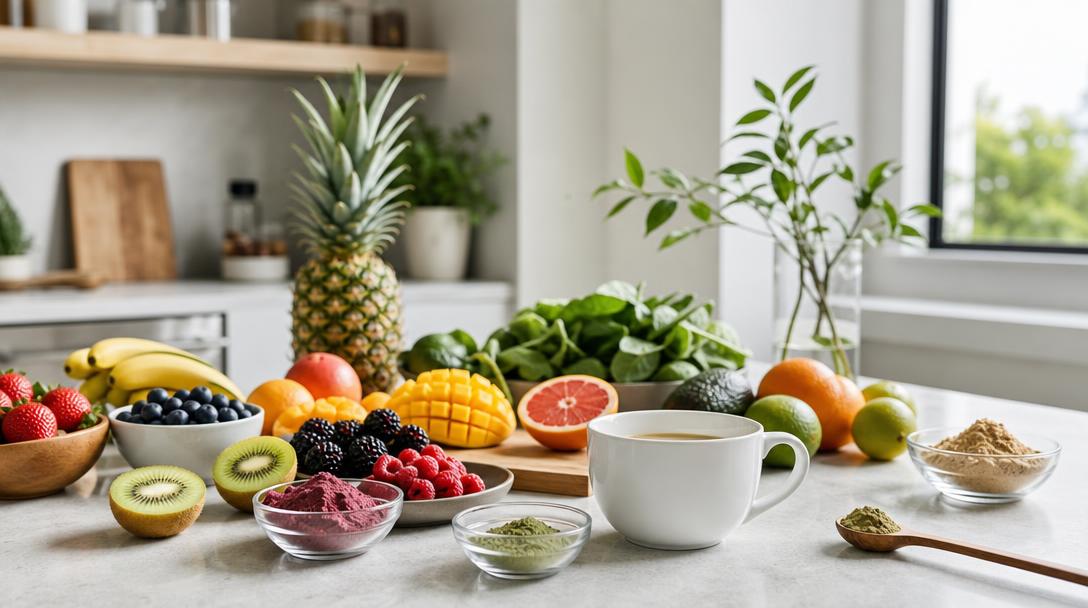
The food and beverage industry is in the middle of a meaningful shift. Brands that built their identities on sweetness are now investing serious resources into reducing sugar — not just trimming a gram or two, but genuinely rethinking how sweetness is delivered. For product developers, formulators, and brand strategists, low sugar product formulation trends have become one of the defining challenges of the decade. Understanding why this is happening, and what tools are available, helps both established brands and emerging players make smarter decisions.
What Is Actually Driving the Low-Sugar Movement
Consumer behavior is at the center of this story. A growing share of shoppers in North America, Europe, and Asia-Pacific are reading nutrition labels more carefully than they did ten years ago. Sugar content — particularly added sugar — has become a purchase factor for a wide range of buyers, from fitness-conscious millennials to parents choosing products for their families.
It is not just personal preference, though. Regulatory pressure has been building steadily. Sugar taxes have been introduced in dozens of countries and territories. Front-of-pack labeling schemes in several markets now flag high sugar content with warning symbols. These policies create a direct commercial incentive for brands to reformulate, because high-sugar labeling can suppress sales at the shelf level.
Retailers are also playing a role. Major supermarket chains have introduced their own wellness standards and have begun favoring or promoting products that meet lower-sugar thresholds. For brands that rely on large retail partners, the reformulation question is increasingly strategic rather than optional.
The Reformulation Challenge Is Harder Than It Looks
Reducing sugar sounds straightforward. In practice, it is one of the more technically demanding problems in food science. Sugar does not just sweeten — it affects texture, mouthfeel, browning, shelf life, and fermentation behavior. Remove it, and you often need to compensate across several functional dimensions at once.
High-intensity artificial sweeteners solve the calorie problem but often introduce bitterness, off-notes, or a lingering aftertaste that consumers associate with diet products — a perception many brands are actively trying to avoid. Natural sweetener alternatives like stevia and monk fruit have improved considerably but still present formulation challenges, particularly in beverages and baked goods where the flavor profile needs to stay consistent across a range.
This is why low sugar product formulation trends are not converging on a single solution. Brands are mixing and matching ingredients — combining small amounts of natural sweeteners, adjusting fruit or dairy ratios, exploring flavor modulation, and experimenting with newer ingredient categories. The goal is to hit a lower sugar target without the product tasting like a compromise.
Where Miracle Berry Extract Fits Into the Formulation Conversation
Miracle berry is a small fruit native to West Africa that contains a glycoprotein called miraculin. When the fruit or its derivatives are consumed, they interact with taste receptors on the tongue in a way that makes sour and tart flavors register as sweet. The effect is temporary and requires no added sugar to produce the perception of sweetness.
For food and beverage formulators exploring sugar reduction, this is an interesting mechanism. Rather than adding a sweetener, you are working with a flavor-modulating ingredient that shifts how existing ingredients — citric acid, lactic acid, natural fruit acids — are perceived by the person eating or drinking the product.
MberryTW supplies this ingredient in several forms that are relevant for different applications. Miracle berry powder is a water-soluble format suited for beverages, functional drink mixes, and powdered formats where precise dosing matters. Dried miracle berry retains the whole fruit character and works well in artisanal or specialty food contexts. Miracle berry tablets are a convenient direct-consumption format often used in tasting experiences, culinary hospitality, and direct-to-consumer product concepts.
It is worth being clear about what miracle berry extract does and does not do. It is not a sweetener in the conventional sense — it does not add sweetness on its own. It works by modulating perception in the presence of acidic flavors. Product developers need to test it within their specific formula context to understand whether it serves their application. But for products built around fermented dairy, citrus, berry profiles, or functional acids, the fit can be genuinely useful.
Regulatory and Labeling Considerations for Brands
Anyone working on low-sugar reformulation needs to think carefully about how claims are substantiated and labeled. Terms like "low sugar," "reduced sugar," and "no added sugar" are regulated differently across markets — the thresholds and definitions in the United States, European Union, and various Asia-Pacific markets do not all align. Brands selling across regions need compliance strategies that account for each market individually.
For novel ingredients like miracle berry derivatives, the regulatory picture varies by jurisdiction. In some markets, these ingredients have a history of use in traditional food contexts. In others, they may require pre-market notification or fall under novel food regulations. Working with qualified regulatory counsel before launching a miracle-berry-enhanced product commercially is a practical necessity, not just a precaution.
MberryTW provides product specifications, ingredient documentation, and sourcing transparency to support B2B buyers working through their own compliance processes. The goal is to give formulators the information they need to make informed decisions within their regulatory environment.
What This Means for Brands Thinking About the Next Two to Three Years
Low sugar product formulation trends show no sign of reversing. If anything, the combination of regulatory pressure, consumer preference shifts, and retailer standards suggests the reformulation imperative will intensify. Brands that begin exploring their options now — testing ingredients, understanding flavor system trade-offs, and building supplier relationships — will be better positioned than those who wait for the pressure to become unavoidable.
Miracle berry extract is one ingredient among many that deserves a place in the evaluation process, particularly for products where citrus or fermented profiles are already part of the flavor story. It is not a universal solution, but for the right formula context, it represents a genuinely differentiated approach to sugar reduction that stands apart from the standard sweetener toolkit.
---
Frequently Asked Questions
Q: Can miracle berry powder completely replace sugar in a product formula?
A: Not directly. Miracle berry powder works by modulating taste perception — specifically, it makes sour and acidic flavors taste sweet. It is not a drop-in sweetener replacement. Formulators typically use it as part of a broader strategy that might include reducing added sugar while working with naturally acidic ingredients so the sweetness perception is maintained through modulation rather than addition.
Q: Is miracle berry extract available for commercial B2B use through MberryTW?
A: Yes. MberryTW supplies miracle berry powder, dried miracle berry, and miracle berry tablets to B2B buyers for commercial and product development purposes. Interested buyers can reach out through the website to discuss specifications, minimum order quantities, and documentation requirements.
Q: How do low-sugar product formulation trends differ between consumer segments?
A: The demand drivers vary by segment. Sports nutrition buyers tend to focus on macros and often already expect lower sugar. Mainstream beverage consumers are more sensitive to taste changes, which makes the formulation challenge harder. Functional food buyers are often open to novel ingredients if the concept is well-communicated. Understanding the specific segment helps brands prioritize which formulation trade-offs are acceptable.
Interested in miracle berry products, wholesale, or OEM cooperation? Contact Sen Yuh Farm to learn more.
Contact Sen Yuh Farm